How to Construct a 200L Yogurt Making Process: Complete Setup Guide
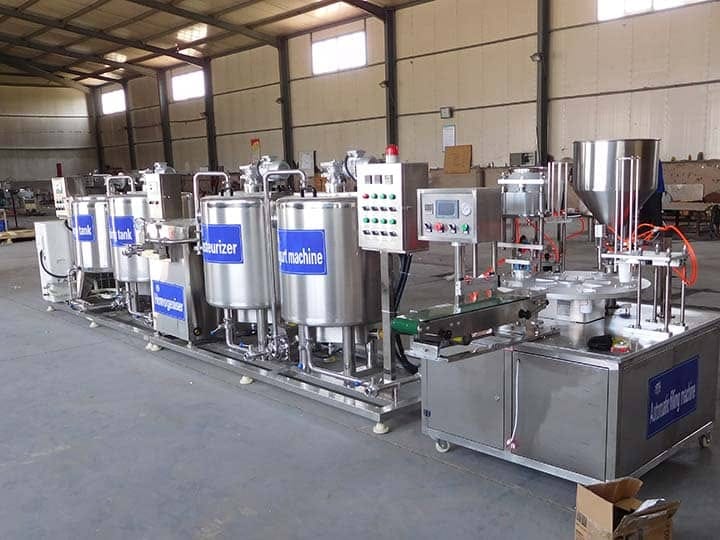
The industrial yogurt making process can better meet the needs of modern companies for dairy manufacturing. A 200L yogurt production line is the ideal entry point for small businesses, dairy farm diversification, and market testing. This comprehensive guide covers equipment configuration, facility requirements, utility specifications, and installation procedures to help you construct an efficient 200L yogurt making process.
200L Yogurt Project Requirements
Before constructing a 200L yogurt production line, define these key project parameters:
Design Specifications
ParameterSpecificationNotesDesign Capacity200L per dayLiquid milk handling capacityProduction Time8-10 hours/daySingle shift operationDaily Output400-600 cups (200g each)Depends on packaging formatProduct TypePlain, stirred, or set yogurtDetermine equipment configurationPackaging FormatCup, bag, or bottleAffects filling machine selection
Control System Options
Control TypeDescriptionCostBest ForPush-ButtonManual control with buttonsStandardSimple operations, budget-consciousSemi-AutomaticPartial automation with manual intervention+15-20%Growing businessesPLC Full AutomaticProgrammable logic controller+30-40%Consistent quality, data logging
Product Type Considerations
Product TypeEquipment RequirementsProcessing DifferenceStirred YogurtStandard fermentation tank with agitatorMix after fermentationSet YogurtIndividual cup filling before fermentationFill then ferment in cupDrinking YogurtLower viscosity, extended homogenizationAdditional homogenization pass
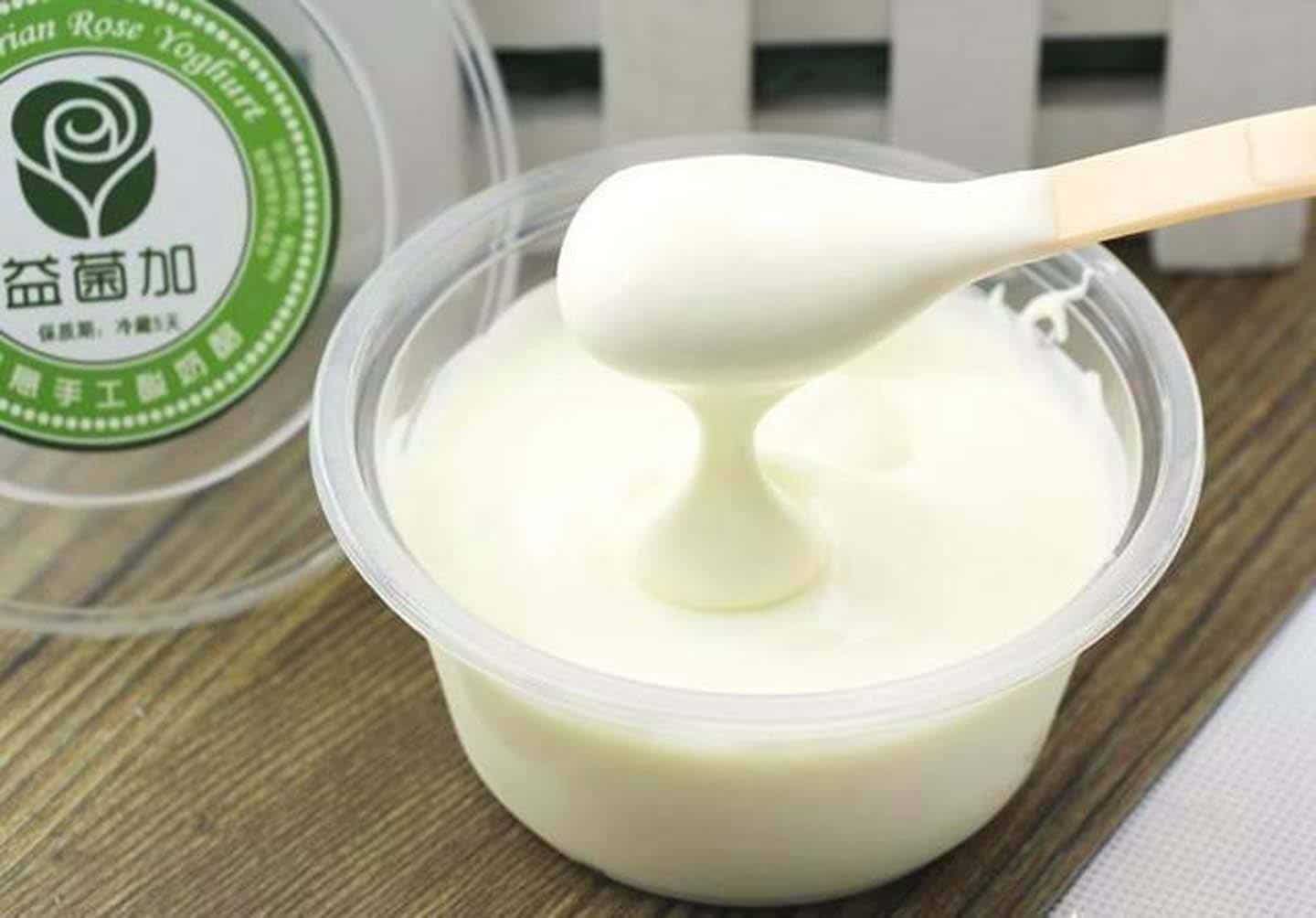
200L Yogurt Production Line Equipment Configuration
Core Equipment List
EquipmentCapacitySpecificationsEstimated CostRaw Milk Cooling Tank200LSUS 304, with cooling system$3,000-5,000Duplex Filter500L/hr100 mesh, SUS 304$1,500-2,500Preheating Tank200LElectric or steam heating$2,000-3,500Homogenizer300L/hr150-250 bar pressure$4,000-6,000Pasteurization Tank200L85°C, 30 min holding$5,000-8,000Fermentation Tank200LTemperature controlled 42°C$6,000-9,000Filling Machine500 cups/hrSemi-automatic$4,000-7,000CIP Cleaning SystemMatch lineBasic system$3,000-5,000Total Equipment Cost$28,500-46,000
Optional Equipment
EquipmentFunctionCostMilk Pump (stainless steel)Transfer between stages$500-1,000Plate CoolerRapid cooling after pasteurization$2,000-3,500Culture Dosing SystemAccurate culture addition$1,000-2,000Cold Room (2-6°C)Finished product storage$3,000-6,000
Yogurt Processing Flow Chart

The flow chart above illustrates the complete yogurt making production process. TS stands for Temporary Storage.
Detailed Process Parameters
StageTemperatureDurationKey Control Points1. Milk Reception4°C30 minTest quality, record data2. Filtration4-10°C15 min100 mesh filter3. Preheating40-50°C20 minEven heating4. Homogenization60-70°C10 min150-250 bar pressure5. Pasteurization85°C30 minHold temperature6. Cooling42-45°C20 minRapid cooling7. Inoculation42-45°C10 min2-3% culture8. Fermentation42°C6-8 hourspH 4.5-4.69. Filling4-6°CContinuous500 cups/hr
Plant, Energy, and Installation Requirements
Facility Requirements
RequirementSpecificationNotesFloor Area20-30 m²Enough for entire production lineCeiling Height3-4 metersSufficient for tank installationFloor Loading500 kg/m²Support equipment weightFloor FinishEpoxy coatingNon-slip, chemical-resistantWall FinishSmooth, washableUp to 2 meters heightDrainageFloor drains with trapsProper slope (1-2%)
Layout Recommendation
ZoneAreaEquipmentRaw Milk Reception5 m²Cooling tank, filterProcessing Area10 m²Preheating, homogenizer, pasteurizerFermentation Area5 m²Fermentation tankFilling Area5 m²Filling machine, sealingCleaning Area3 m²CIP system, chemical storageTotal28 m²
Utility Requirements
Electrical Supply
ParameterSpecificationNotesVoltage380V/50Hz three-phaseStandard industrial powerTotal Power15-25 kWDepends on equipment configurationDistributionSeparate circuits per equipmentWith overload protectionControl PanelIP65 ratedDust and water resistant
Water Supply
ParameterSpecificationNotesDaily Consumption600-1000L3-5L per liter of yogurtWater QualityDrinking water standardWHO or local equivalentWater Pressure2-4 barFor cleaning and processingWater TreatmentFiltration + UV recommendedEnsure water quality
Compressed Air
ParameterSpecificationNotesPressure6-8 barFor pneumatic controlsFlow Rate100-200 L/minDepends on equipmentAir QualityOil-free, filteredFood-grade requirementCompressor1.5-2.2 kWWith air dryer
Steam (Optional)
ParameterSpecificationNotesPressure0.3-0.5 MPaFor heating and sterilizationFlow Rate30-50 kg/hrDepends on heating methodSteam Generator20-30 kWElectric or gas fired
Pipeline Requirements
Before equipment installation, prepare the following utility pipelines:
PipelinePurposeSpecificationPower CableElectrical supply to each control cabinetSized per equipment loadSteam PipelineHeating and sterilizationInsulated, 0.3-0.5 MPaCompressed Air PipelinePneumatic controls6-8 bar, oil-freeIce Water PipelineRapid cooling1-3°C, insulatedCirculating Water PipelineTemperature control10-15°CClean Water PipelineProcessing and rinsingDrinking water standardWater Softening PipelineCIP systemSoftened waterDrainage PipelineWaste water disposalProper slope, traps
Installation Procedure
Phase 1: Preparation (1-2 weeks)
-
Site Preparation: Clean and prepare floor, install drainage
-
Utility Installation: Run electrical, water, air, and steam pipelines
-
Equipment Delivery: Receive and inspect all equipment
-
Layout Marking: Mark equipment positions on floor
Phase 2: Equipment Installation (1-2 weeks)
-
Position Equipment: Place tanks and machines according to layout
-
Level and Secure: Level equipment and anchor to floor
-
Connect Utilities: Connect electrical, water, air, and steam
-
Connect Pipelines: Install interconnecting milk pipelines
-
Install CIP System: Connect cleaning system to all equipment
Phase 3: Commissioning (1 week)
-
Electrical Testing: Test all electrical connections and controls
-
Water Testing: Run water through all pipelines and tanks
-
Leak Testing: Check all connections for leaks
-
CIP Testing: Run cleaning cycle to verify system
-
Trial Production: Run first production batch with water
Phase 4: Validation (1 week)
-
First Production: Run first yogurt production batch
-
Quality Testing: Test product for quality parameters
-
Parameter Adjustment: Fine-tune temperatures and timing
-
Operator Training: Train production team on operation
-
Documentation: Complete installation and validation records
Case Study: 200L Yogurt Line in Saudi Arabia
Shuliy successfully installed a 200L yogurt production line in Saudi Arabia, providing a complete turnkey solution based on the customer’s investment needs. The project included:
ItemSpecificationCapacity200L/dayProductPlain and flavored yogurtPackaging200g cupsControl SystemPLC automaticInstallation Time3 weeksTraining5 operators trainedProduction Start4 weeks from order
Conclusion
Constructing a 200L yogurt making process requires careful planning of equipment configuration, facility layout, utility requirements, and installation procedures. With proper planning and professional support, you can establish an efficient production line within 4-6 weeks.
Contact Shuliy Machinery for a customized 200L yogurt production line solution. Our experienced team will provide complete design, installation, and training services based on your specific requirements.
How much space do I need for a 200L yogurt production line?A 200L yogurt production line requires 20-30 m² of floor space with 3-4 meters ceiling height. The layout should include separate zones for raw milk reception, processing, fermentation, filling, and cleaning.What utilities are required for a 200L yogurt line?Required utilities include: 380V/50Hz three-phase power (15-25 kW), drinking quality water (600-1000L/day), compressed air (6-8 bar), and optionally steam (0.3-0.5 MPa) for heating.How long does it take to install a 200L yogurt production line?Installation typically takes 4-6 weeks, including 1-2 weeks for site preparation, 1-2 weeks for equipment installation, 1 week for commissioning, and 1 week for validation and training.What is the daily output of a 200L yogurt line?
A 200L yogurt production line can produce 400-600 cups (200g each) per day, operating 8-10 hours per single shift.