How to Start a Yogurt Production Business: Complete Investment Guide
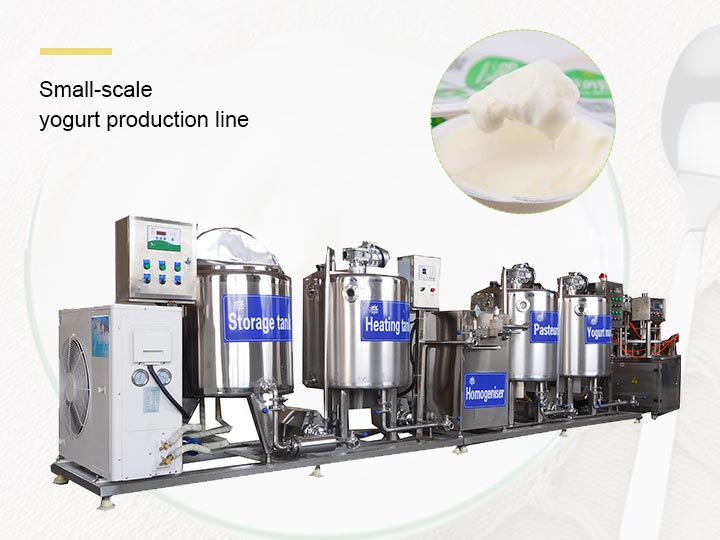
The dairy industry has experienced significant growth in recent years, with yogurt becoming one of the most popular health food products worldwide. Starting a yogurt production business offers tremendous opportunities for entrepreneurs looking to enter the dairy processing sector. This comprehensive guide will walk you through every aspect of establishing your yogurt production business, from market analysis to profitability.
Yogurt Industry Market Prospects
The global yogurt market continues to expand rapidly, driven by increasing consumer awareness of health benefits associated with probiotic dairy products. Several factors contribute to the promising outlook for yogurt businesses:
Market Growth Drivers
FactorImpactDataHealth consciousnessHighGlobal yogurt market growing at 5.2% CAGR (2024-2030)Probiotic demandHighProbiotic yogurt segment growing at 7.1% annuallyEmerging marketsVery HighAsia-Pacific and Africa showing 8-12% growth ratesProduct innovationMediumGreek yogurt, plant-based alternatives driving growth
Regional Market Analysis
RegionMarket Size (2024)Growth RateKey OpportunitiesNorth America$32.5 billion3.8%Premium and organic yogurtEurope$28.7 billion3.2%Traditional and specialty yogurtAsia-Pacific$18.3 billion8.5%Mass market, flavored yogurtMiddle East & Africa$6.2 billion9.2%Untapped potential, growing demandLatin America$8.1 billion6.1%Local production replacing imports
Investment Budget Planning
Understanding the investment requirements is crucial for planning your yogurt production business. The total investment depends on your scale of operations and product range.
Small-Scale Operations (100-300L daily capacity)
For entrepreneurs starting small, a mini yogurt production line requires:
Investment ItemCost Range (USD)NotesProduction Equipment$25,000 - $50,000Semi-automatic lineFacility Setup$10,000 - $20,000Renovation and utilitiesLicensing & Permits$3,000 - $8,000Varies by regionInitial Raw Materials$5,000 - $10,000Milk, cultures, packagingWorking Capital (3 months)$15,000 - $25,000Operating expensesTotal Investment$58,000 - $113,000
Medium-Scale Operations (500-1000L daily capacity)
A semi-automatic production line typically requires:
Investment ItemCost Range (USD)NotesProduction Equipment$80,000 - $150,000Semi to fully automaticFacility Setup$40,000 - $80,000New construction or major renovationLicensing & Permits$5,000 - $15,000Full certification packageInitial Raw Materials$10,000 - $20,000Bulk purchasing advantageWorking Capital (3 months)$30,000 - $50,000Larger operational bufferTotal Investment$165,000 - $315,000
These figures are approximate and depend on specific equipment configurations, local market conditions, and regulatory requirements.
Equipment Selection Guide
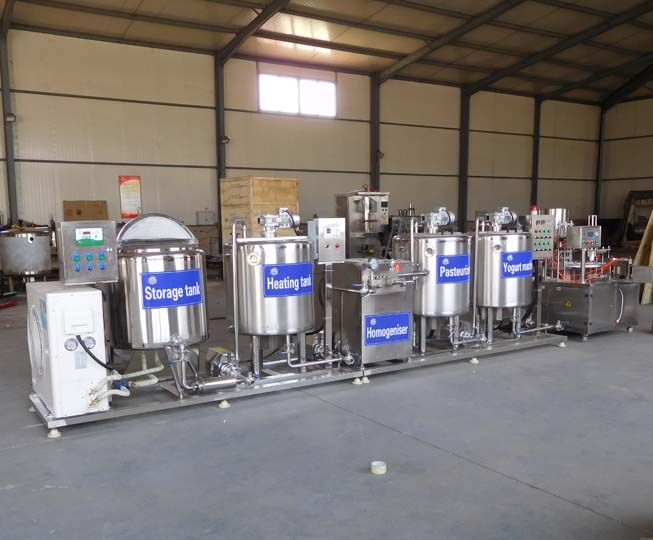
Choosing the right equipment is critical to your success. Consider your production volume, product types, and budget when making decisions. Shuliy offers comprehensive yogurt production lines ranging from 200L to 5000L capacity.
Essential Equipment Components
EquipmentFunctionCapacity OptionsMilk Reception TankRaw milk storage and cooling500L - 2000LMilk Filter (Duplex)Impurity removal1000L/hr - 5000L/hrMilk PasteurizerHeat treatment for safety200L - 5000LHomogenizerTexture improvement500L/hr - 3000L/hrFermentation TankYogurt culture incubation500L - 3000LCooling SystemRapid temperature reductionMatch production lineFilling MachineProduct packaging500 - 3000 cups/hrCIP Cleaning SystemAutomated equipment cleaningMatch production line
Licenses and Regulations
Operating a yogurt production facility requires compliance with various regulatory requirements. The specific licenses needed vary by country and region:
Required Certifications by Region
RegionRequired CertificationsProcessing TimeEstimated CostUnited StatesFDA Registration, HACCP, State License3-6 months$5,000 - $15,000European UnionCE Marking, ISO 22000, Local Food Authority6-12 months$10,000 - $25,000Southeast AsiaGMP, HACCP, National FDA3-6 months$3,000 - $10,000Middle EastGSO Certification, Local Municipality4-8 months$5,000 - $15,000AfricaNational Food Safety Approval3-6 months$2,000 - $8,000
Consult with local regulatory authorities early in the planning process to ensure compliance and avoid costly delays.
Operational Process
The yogurt production process involves several key stages that require careful attention to detail and quality control:
Standard Production Workflow
StageProcessTemperatureDuration1. Milk ReceptionQuality testing and cooling4°C30 min2. FiltrationImpurity removal4-10°C15 min3. PasteurizationHeat treatment85-95°C15-30 min4. HomogenizationPressure treatment60-70°C10 min5. CoolingRapid temperature reduction42-45°C20 min6. InoculationCulture addition42-45°C10 min7. FermentationCulture incubation42-45°C4-6 hours8. CoolingStop fermentation4-6°C30 min9. FillingPackaging4-6°CContinuous10. Cold StorageProduct storage2-6°CUntil distribution
Profitability Analysis
Understanding the profit potential helps in making informed business decisions. Key profitability factors include:
Revenue Factors
Product TypeWholesale Price (per liter)Production Cost (per liter)Gross MarginPlain Yogurt$1.50 - $2.50$0.60 - $0.9055-65%Flavored Yogurt$2.00 - $3.50$0.80 - $1.2055-68%Greek Yogurt$3.00 - $5.00$1.20 - $1.8055-65%Drinking Yogurt$1.80 - $3.00$0.70 - $1.1055-63%
ROI Considerations
Most small to medium yogurt production operations achieve return on investment within 18-24 months. Success depends on:
FactorImpact on ROIOptimization StrategyProduction efficiencyHighAutomate where possibleRaw material costHighSource locally, negotiate contractsProduct pricingMediumPremium positioning, value-added productsDistribution networkHighDirect sales, local partnershipsBrand recognitionMediumMarketing, quality consistency
Break-Even Analysis Example
For a medium-scale operation (1000L daily capacity):
MetricValueDaily production1000 litersAverage selling price$2.00/literDaily revenue$2,000Daily production cost$800Daily gross profit$1,200Monthly operating expenses$25,000Monthly net profit$11,000Break-even point15-18 months
Getting Started
Starting a yogurt production business requires careful planning and execution. Follow these steps to launch successfully:
Step-by-Step Implementation Plan
PhaseTimelineKey Activities1. Market ResearchMonth 1-2Analyze local demand, competition, pricing2. Business PlanMonth 2-3Financial projections, funding strategy3. Site SelectionMonth 3-5Location evaluation, lease/purchase4. LicensingMonth 4-8Apply for permits and certifications5. Equipment OrderMonth 5-6Select and order production line6. Facility SetupMonth 6-9Renovation, utility installation7. Equipment InstallationMonth 9-10Setup, testing, commissioning8. Staff TrainingMonth 10-11Hire and train production team9. Trial ProductionMonth 11-12Test runs, quality validation10. Commercial LaunchMonth 12+Full production, market entry
Ready to start your yogurt production business? Contact Shuliy Machinery for expert consultation and customized equipment solutions tailored to your specific requirements and budget.
How much money do I need to start a yogurt production business?The investment ranges from $58,000 for a small-scale operation (100-300L daily) to $315,000 for a medium-scale facility (500-1000L daily), including equipment, facility setup, licensing, and working capital.How long does it take to start a yogurt business?From initial planning to commercial launch, expect 12-18 months. This includes market research, business planning, site selection, licensing, equipment procurement, facility setup, and trial production.Is yogurt production profitable?Yes, yogurt production typically offers gross margins of 55-68%. Most operations achieve ROI within 18-24 months, depending on production efficiency, pricing strategy, and market demand.What equipment do I need for yogurt production?
Essential equipment includes milk reception tanks, milk filters, pasteurizers, homogenizers, fermentation tanks, cooling systems, filling machines, and CIP cleaning systems. Shuliy offers complete production lines from 200L to 5000L capacity.