Yogurt Business Marketing Guide: Strategies to Grow Your Dairy Brand
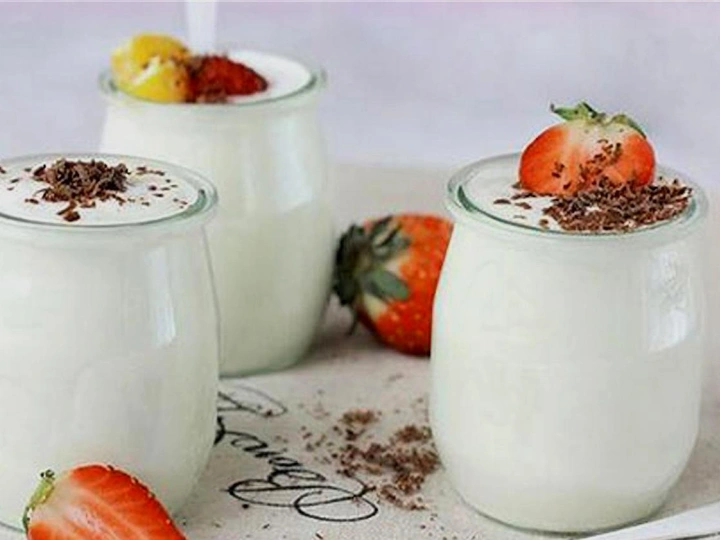
Starting a yogurt production business is only half the battle. Successfully marketing your yogurt brand requires strategic planning, understanding consumer behavior, and building strong distribution channels. This comprehensive guide covers everything from brand positioning to digital marketing strategies for yogurt businesses, helping you turn your production capability into a profitable brand.
Understanding the Yogurt Market Landscape
The global yogurt market is projected to reach $140 billion by 2028, driven by health consciousness and product innovation. Understanding market dynamics is essential for effective marketing:
Market Growth by Segment
SegmentMarket Size (2024)Growth RateKey OpportunitiesRegular Yogurt$65 billion4-5% annuallyMass market, value pricingGreek Yogurt$12 billion8-10% annuallyPremium positioning, fitness marketDrinking Yogurt$8 billion10-12% annuallyConvenience, emerging marketsPlant-Based Yogurt$3 billion15-18% annuallyVegan, lactose-free consumersOrganic Yogurt$5 billion12-15% annuallyHealth-conscious, premium buyers
Consumer Behavior Insights
Consumer SegmentPercentageKey Purchase DriversPrice SensitivityHealth Conscious35%Protein content, low sugar, probioticsLowTaste Seekers25%Flavor variety, textureMediumValue Buyers20%Price, promotions, family packsHighPremium Buyers15%Brand, organic, artisanalLowConvenience Seekers5%Portability, single-serveMedium
Brand Positioning Strategies
Your brand positioning determines how consumers perceive your yogurt products in a crowded market:
Positioning Framework
PositioningTarget AudiencePrice PointKey MessageExampleHealth & WellnessFitness enthusiasts, health-consciousPremiumHigh protein, low sugar, probioticsChobani, OikosFamily ValueFamilies with childrenBudget-MediumNutritious, affordable, kid-friendlyDannon, YoplaitArtisanal PremiumFood enthusiasts, premium buyersHighHandcrafted, local ingredients, unique flavorsNoosa, Siggi’sTraditional AuthenticCultural consumers, traditionalistsMediumAuthentic recipes, heritageMiddle Eastern, Indian brandsFunctional BenefitsSpecific health needsPremiumDigestive health, immunity, energyActivia, Yakult
Brand Identity Elements
ElementImportanceBest PracticesBrand NameCriticalMemorable, relevant, trademarkableLogo DesignHighClean, modern, reflects brand valuesPackaging DesignCriticalEye-catching, informative, shelf appealColor SchemeHighHealth (green/blue), Premium (gold/black)Brand StoryMediumAuthentic, relatable, differentiating
Distribution Channel Strategy
Choosing the right distribution channels is crucial for reaching your target customers:
Channel Comparison
ChannelMarginVolumeSetup CostBest ForDirect Sales60-70%Low-MediumLowStartups, local marketRetail Stores40-50%Medium-HighMediumEstablished brandsSupermarkets35-45%HighHighLarge-scale productionOnline/Delivery50-60%MediumMediumUrban areas, premiumFood Service45-55%Medium-HighMediumRestaurants, cafesInstitutional30-40%Very HighLow-MediumSchools, hospitals
Channel Development Roadmap
PhaseTimelineChannelsInvestmentExpected RevenuePhase 1: LaunchMonth 1-3Direct sales, local stores$2,000-5,000$3,000-8,000/monthPhase 2: GrowthMonth 4-9Regional retailers, online$5,000-15,000$10,000-25,000/monthPhase 3: ExpansionMonth 10-18Supermarkets, food service$15,000-40,000$30,000-80,000/monthPhase 4: ScaleMonth 19+National distribution$40,000-100,000$100,000+/month
Pricing Strategy
Effective pricing balances profitability with market competitiveness:
Pricing Models
ModelDescriptionProsConsBest ForCost-PlusCost + markup (50-70%)Simple, ensures profitMay not reflect market valueStartupsValue-BasedPrice based on perceived valueMaximizes profitRequires market researchPremium brandsCompetitiveMatch or beat competitorsEasy to positionPrice wars riskMass marketPenetrationLow initial price to gain shareFast market entryLow initial marginsNew entrantsSkimmingHigh initial price, reduce over timeMaximize early profitLimited volumeInnovative products
Recommended Pricing by Product Type
Product TypeCost per UnitRecommended PriceGross MarginPlain Yogurt (200g)$0.30-0.45$0.80-1.2055-65%Flavored Yogurt (200g)$0.35-0.55$1.00-1.5055-65%Greek Yogurt (200g)$0.50-0.75$1.50-2.5060-70%Drinking Yogurt (250ml)$0.25-0.40$0.80-1.2055-65%Organic Yogurt (200g)$0.55-0.80$1.80-3.0060-70%
Digital Marketing Strategies
Social Media Marketing
PlatformContent TypeFrequencyEngagement RateBest ForInstagramProduct photos, recipes, behind-the-scenesDaily2-5%Visual branding, younger audienceFacebookPromotions, community building3-5x/week1-3%Family audience, local marketingTikTokShort videos, challenges, recipes3-5x/week5-10%Gen Z, viral potentialYouTubeRecipe tutorials, factory toursWeekly3-7%Educational content, brand trustLinkedInB2B content, industry insightsWeekly1-2%Food service, institutional sales
Content Marketing Strategy
Content TypePurposeFrequencyProduction CostRecipe BlogDrive traffic, engagement2-3x/week$50-150/articleHealth ArticlesBuild authority, SEOWeekly$100-300/articleVideo TutorialsBrand awareness, trustWeekly$200-500/videoCustomer StoriesSocial proof, trustMonthly$100-300/storyInfographicsShareable content, backlinksMonthly$100-200/infographic
SEO Strategy for Yogurt Businesses
SEO ElementActionExpected ImpactLocal SEOGoogle My Business, local citations30-50% more local trafficProduct PagesOptimize for “yogurt near me”20-40% more store visitsRecipe ContentTarget recipe-related keywords50-100% more organic trafficHealth ContentTarget health-related keywords30-60% more authority trafficBacklink BuildingPartner with food bloggers20-40% domain authority increase
Promotional Tactics
In-Store Promotions
TacticCostExpected LiftBest ForSampling$200-500/event20-40% sales increaseNew product launchesEnd-Cap Displays$100-300/week15-30% sales increaseHigh-traffic storesCoupon Promotions10-20% discount25-50% volume increasePrice-sensitive marketsBundle Deals10-15% discount20-35% basket size increaseFamily buyersLoyalty Programs5-10% margin cost30-50% repeat purchase rateCustomer retention
Digital Promotions
TacticCostExpected ROIBest ForSocial Media Ads$500-2,000/month3-5x ROIBrand awarenessGoogle Ads$1,000-5,000/month2-4x ROIDirect salesInfluencer Partnerships$500-5,000/campaign4-8x ROINiche audiencesEmail Marketing$100-500/month5-10x ROICustomer retentionReferral Programs10-15% discount3-6x ROIWord-of-mouth growth
Building Customer Loyalty
Loyalty Program Types
Program TypeStructureCostRetention ImpactPoints-BasedEarn points per purchase3-5% of revenue20-30% increaseSubscriptionMonthly delivery, discount10-15% discount40-60% retentionVIP TiersTiered benefits5-10% of revenue30-50% increasePunch CardsBuy X, get 1 free10-15% margin cost15-25% increaseCommunityExclusive content, events$500-2,000/month25-40% increase
Customer Retention Metrics
MetricIndustry AverageTargetImprovement StrategyRepeat Purchase Rate30-40%50-60%Loyalty programs, subscriptionsCustomer Lifetime Value$50-100$100-200Upselling, cross-sellingChurn Rate20-30% monthly10-15% monthlyEngagement, quality consistencyNet Promoter Score30-5060-80Customer experience, quality
Marketing Budget Allocation
Recommended Budget by Business Stage
StageMonthly RevenueMarketing BudgetAllocationStartup$5,000-15,00015-20% ($750-3,000)40% digital, 30% sampling, 20% PR, 10% otherGrowth$15,000-50,00010-15% ($1,500-7,500)35% digital, 25% trade, 20% sampling, 20% otherEstablished$50,000-150,0008-12% ($4,000-18,000)30% digital, 30% trade, 20% brand, 20% otherScale$150,000+5-10% ($7,500-15,000+)25% digital, 35% trade, 25% brand, 15% other
Marketing ROI Benchmarks
ChannelAverage ROIPayback PeriodBest UseSocial Media3-5x1-3 monthsBrand awarenessGoogle Ads2-4x1-2 monthsDirect salesSampling4-8x1-4 weeksProduct trialEmail Marketing5-10xImmediateRetentionInfluencer4-8x1-2 monthsNiche audiencesTrade Shows2-5x3-6 monthsB2B sales
Conclusion
Successful yogurt business marketing requires a multi-channel approach combining brand positioning, distribution strategy, digital marketing, and customer loyalty programs. Start with direct sales and local stores, then expand to regional retailers and online channels as your brand grows. Allocate 10-20% of revenue to marketing, focusing on channels with the highest ROI for your target audience.
Contact Shuliy Machinery for yogurt production equipment that supports your brand growth. Our complete production lines from 200L to 5000L capacity provide the foundation for building a successful yogurt brand.
How much should I spend on marketing my yogurt business?Allocate 10-20% of revenue to marketing depending on your business stage. Startups should spend 15-20% ($750-3,000/month), growing businesses 10-15% ($1,500-7,500/month), and established brands 5-12% ($4,000-18,000/month).What is the best marketing channel for yogurt businesses?Product sampling offers the highest ROI (4-8x) for new yogurt brands, followed by email marketing (5-10x ROI) for retention. For brand awareness, social media ads (3-5x ROI) and influencer partnerships (4-8x ROI) are most effective.How do I price my yogurt products?Use cost-plus pricing with 55-70% gross margins. Plain yogurt (200g) should be priced at $0.80-1.20, flavored at $1.00-1.50, and Greek yogurt at $1.50-2.50. Adjust based on your target market and competitive positioning.How can I build customer loyalty for my yogurt brand?
Implement a combination of loyalty programs (points-based or subscription), consistent product quality, engaging social media content, and excellent customer service. Target a 50-60% repeat purchase rate and 60+ Net Promoter Score.